


What Perth Blocks Are Too Tricky for Granny Flat Builds?
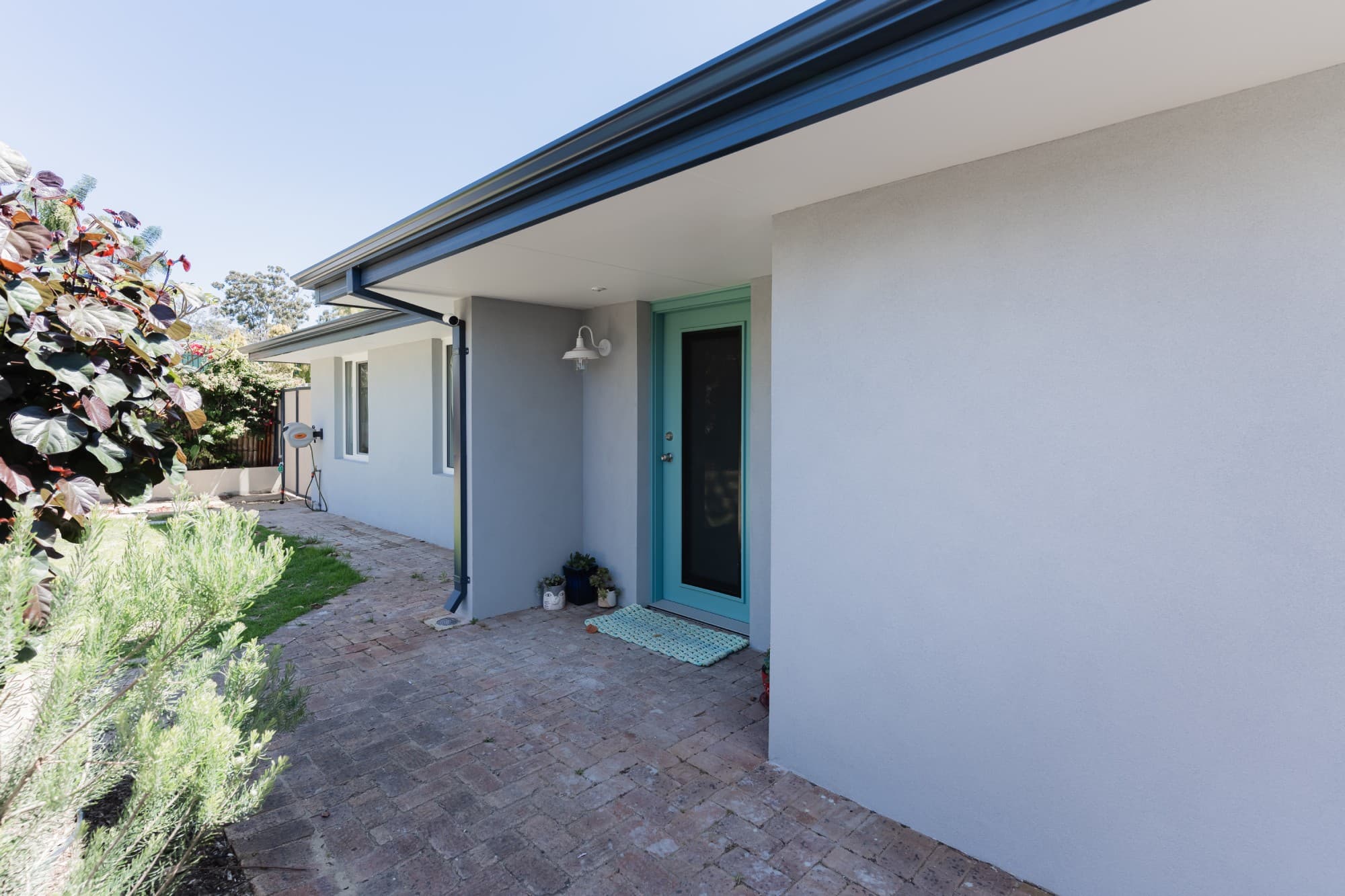
Adding a granny flat can be a smart move when you want more space without leaving the home you know. It works well for ageing parents, grown children moving back in, or even just having your own quiet spot out the back. But not every block makes it easy. For those of us living in Perth, some lots have quirks that granny flat builders in Perth will need to work around, or rule out. From tricky slopes to tight access, certain properties raise more questions than others. This article looks at the types of blocks that are harder to build on, and how some can still be worked with the right plan.
Narrow or Irregular Shaped Blocks
A long, skinny block or one with an unusual shape can make it hard to fit in a legal second dwelling. The location and size of your existing house, garage, or pool can all affect what’s even possible.
- A narrow block limits how close a granny flat can be built to boundaries. Local rules often require certain clearances.
- Irregular shapes might reduce usable space, even if the lot size looks big on paper.
- Driveways or access paths may need to cut through parts of the yard you’re already using or enjoying.
That said, not every oddly shaped block is too difficult. A clever layout or L-shaped design might still work. It’s just not a one-size-fits-all situation. Having someone look at the actual block and set-out options early on helps avoid starting something that won’t meet the rules later. Sometimes, even if the block seems a little awkward, a custom design can make use of space that would otherwise go to waste. In other cases, you might need to move garden beds, sheds, or other fixtures to create the right footprint. Every block has its own limitations and opportunities, and a bit of thought up front can save a lot of trouble later on.
Sloped or Uneven Blocks
If the land isn’t flat, the build gets more complicated. A slight slope might be fine, but once you’re dealing with steep changes from front to back or top to bottom, the job often needs extra steps.
- Foundations need adjusting to handle the slope, which can affect how the building sits.
- Drainage becomes more important. Water runoff has to be directed away from both the granny flat and the main house.
- Retaining walls may be needed to create a safe and usable building area.
Getting materials onto a sloped block can also take more time. Trucks and trades might not be able to reverse in or park on a steep driveway. In some cases, a split-level design or raised flooring can help adapt to the slope, but the added design work is not always simple. Soil conditions may also add to the list of challenges. Sandy or clay soil on a slope can require special attention to prevent movement over time. Factoring this in at the design stage means fewer surprises down the track and avoids costly fixes. Collaborating with builders who have worked with sloping Perth blocks gives you options that take advantage of the natural shape of your land rather than fighting against it.
Rear Access or No Access at All
Granny flats are often built behind an existing home, which means good access to the rear of the property is key. If there’s no way to get around the house, materials, machinery, and workers may have a tough time reaching the build site.
- Shared driveways or laneways can offer a path to the back, but they often come with their own rules.
- If side access is too tight, large deliveries might not fit without removing fences or landscaping.
- Some blocks rely on delivery over the top using cranes, which adds another layer of planning.
Experienced granny flat builders in Perth often look at these issues first. It might be fine for someone to walk around the backyard, but if you can’t fit a small truck or trailer, you’re working with restrictions from day one. Tight access could add time to a build or require special equipment. In some neighbourhoods, traffic or council restrictions may limit when deliveries can be made, so planning needs to include not just the layout of the home but also how everything gets onto the site safely. Access issues may sound minor at first but can become the biggest hurdle if not considered up front.
Zoning, Planning Rules, and Overlays
Blocks aren’t only shaped by their fences. Local laws and planning regulations are just as important. Some areas in Perth come with overlays that set limits on what and where you can build.
- Bushfire zones may require extra measures and land clearing, which isn’t always allowed.
- If a property sits in a flood-prone area, the height and structure of a granny flat may need changes, or approvals may take longer.
- Heritage areas have strict rules around what types of development are allowed.
It’s best to check early before falling in love with an idea that planning rules simply won’t allow. These limits can delay the job or make builds unworkable without costly changes.
Perway Construction Services consults on local Perth planning codes before starting any design, including checking for zoning overlays, bushfire or heritage status, and other council rules that can affect approval timelines or feasibility. Local government requirements can vary widely, even from street to street. One area might have clear allowances for small dwellings, while another has minimum block sizes or extra setback requirements. Flood or bushfire overlays can change what types of building materials must be used or what extra reports must be filed. Sorting through these requirements is a step that can’t be skipped if you want to complete your build on time and in line with the council.
Small Block Sizes or High Site Coverage
Site coverage is a big one. That’s the percentage of your block that’s already taken up by buildings. Smaller lots often hit that limit fast, especially if there’s a big main house or pool already on the property.
- If you’ve already added a large patio, garage, or extension, you might have used up the allowed building coverage.
- There needs to be enough distance between structures for light, airflow, and safety standards.
- You may need to remove, reduce, or rethink other structures to make room for something new.
Sometimes homeowners have the space in theory but not in code. A small tweak to the backyard might help, but it depends on what’s already in place.
Perway Construction Services specialises in custom granny flats for compact and challenging Perth blocks, often creating small-space designs to fit unique site coverage needs and maximise the usable area for clients within council rules. If you’re working with a lot that’s already close to its coverage limit, your options may be limited to smaller footprints or creative two-storey designs. Early checks can help you weigh up what matters most, whether it’s keeping the shed, extending the living area, or carving out room for a new granny flat without losing privacy or garden space.
Knowing When a Block Needs Expert Eyes
Some problems are obvious just by looking. Others take a bit of digging through maps, codes, and local rules. While it’s true that a few blocks just won’t work for a granny flat, we’ve found that a lot of challenges come down to clear thinking up front.
- Narrow spaces and access limits don’t always mean a build is off the table.
- Slopes and overlays can often be managed with the right design or approvals.
- Most of the time, it’s about knowing what hurdles exist before pouring a concrete slab.
The best move is to walk the block with someone who understands both the ground itself and what’s allowed in your area. That upfront step often saves months of stress and gives you a real sense of whether a second small home is possible, or not worth the chase.
At Perway Construction Services, we’ve worked with all kinds of blocks across Perth, narrow lots, steep slopes, and everything in between. Wondering whether a granny flat might suit your property? It’s easier to make informed decisions when you speak with someone who understands where the hurdles are. As trusted granny flat builders in Perth, we consider the full picture before offering advice on what’s possible. Every site is unique, and sometimes a simple adjustment can create new opportunities. To discuss your block, reach out to us today.

Andy is the Director and Registered Builder for Perway Construction Services. He commenced his career in the construction industry almost 20 years ago as a Carpenter. He offers clients his specialized advice and knowledge on their project, what’s best for their long term return on investment and how to achieve their home renovation dreams. He leads his team of tradespeople to complete successful, quality home renovations.

JOIN OUR FACEBOOK GROUP
- 'NAIL YOUR RENOVATION'

A group which is All Things Renovation where members can discuss, ask for advice from a builder and the other industry leaders & inspire others about renovations.
Let's Connect

Complete the details to schedule a call. Louise or Andy will personally speak to you about your project and next steps.