


Trouble With Neighbours During a Granny Flat Build in Perth?
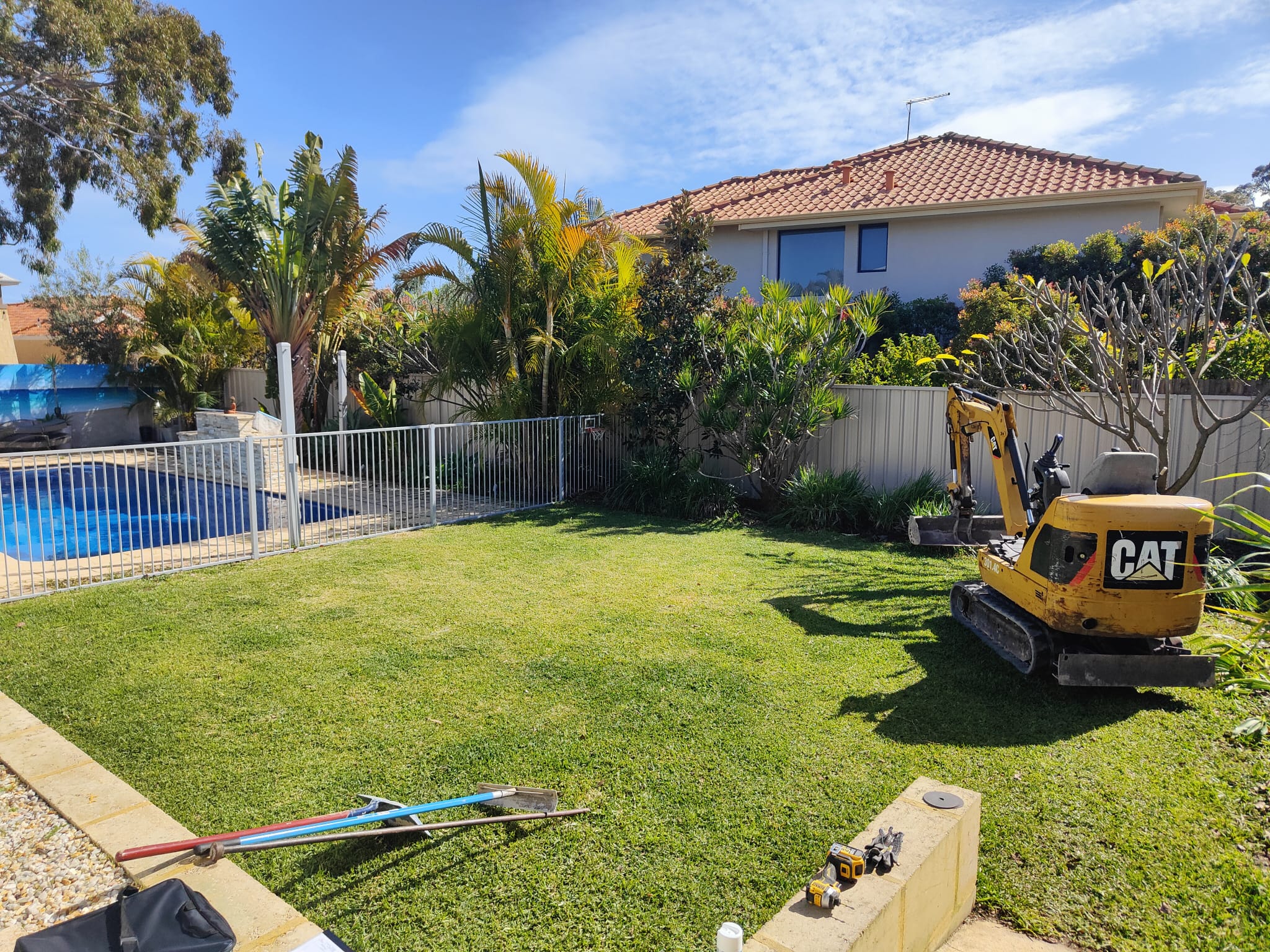
Building a granny flat can feel like the perfect next step. Whether it’s for family, guests, or extra space, having a second small home in the backyard makes a lot of sense. But not everyone on the street always feels the same way. As granny flats in Perth get more popular, we’ve seen more neighbours with questions or concerns.
It’s not always about breaking rules, sometimes it’s just that people don’t like change near their own back fence. This article looks at why tension can happen, what steps may help everyone feel more comfortable during a build, and how you can work with neighbours to keep the peace and make things run more smoothly.
Working to keep everyone happy can take time, but it usually pays off in fewer delays, less frustration, and a better project result in the long run. If you are building in a close-knit part of Perth, you might find it helps to plan ahead and focus on your neighbours right from the start.
Why Neighbours Might Feel Upset or Nervous
Noisy tools and extra cars in the street can make some neighbours uncomfortable, even when the work is legal. If people weren’t told to expect changes, the build can feel like a surprise, especially when it’s right over the fence.
Here are some of the more common things neighbours worry about:
- Extra noise from machinery, radios, or early starts
- Loss of privacy if windows or doors overlook their yard
- Fewer parking spots in front of their place or blocked driveways
- A change in the view from their kitchen, bedroom, or outdoor area
Many people value their peace and prefer predictable routines in their neighbourhood, so unexpected disruption can cause worry. Even when a granny flat meets local rules, neighbours may still feel caught off guard or frustrated. Sometimes, it’s about having less sunlight, feeling overlooked, or just being unsure about how long the project will last.
Often, it’s not just about the building itself, it’s how and when they find out. Changes that feel out of the blue can make people nervous, especially if they have lived in the same home for years. Knowing what makes people feel uneasy lets you take small steps to ease their minds during the process.
What You’re Allowed to Build (and Why That Matters)
Every Perth council sets rules for what people can build on residential blocks. These aren’t just paperwork, they’re about keeping density, privacy, and safety in balance. Knowing those rules helps avoid unexpected problems partway through a project and shows neighbours that you’re doing everything by the book.
We look at these key limits before any work begins:
- Setbacks: how far the building sits from fences or the main house
- Height: how tall the dwelling can be from the ground level
- Windows: where they can be placed to avoid overlooking neighbours
It’s always good to know these details so you can answer questions if a neighbour asks. Getting these things checked early helps avoid delays, redesigns, or formal objections later. The last thing anyone wants is to be halfway through building only to find you need a change because of a council issue.
If the plan falls within what’s allowed, the build can usually go ahead, even if neighbours don’t love the idea. But following the rules doesn’t mean planning without care. It can help to show people the council plans, let them know what’s happening, and make clear you’re not breaking any rules.
Perway Construction Services always checks council requirements, privacy impacts, and block conditions before any granny flat project begins. We use clear site planning to help avoid objections and set neighbour expectations upfront, based on years of residential building experience across Perth.
Checking everything twice, asking about trees, and making sure windows aren’t facing into a neighbour’s main living space are practical ways to respect those next door, even if you’re within your legal rights.
Good Communication Can Go a Long Way
Even the best build can spark pushback if it takes neighbours by surprise. A little communication at the start often stops tension before it begins.
We’ve found a few simple steps help people feel more at ease:
- Say hello: A quick face-to-face chat or short letter before work starts can make a big difference. Explaining your plans to neighbours before work starts shows respect and makes people less nervous.
- Give a heads-up: Let people know about delivery days, loud work, or big trucks coming through. A short note letting them know which days will be busiest helps them prepare.
- Share the timeline: A rough idea of start and finish weeks helps set expectations and reduce complaints. Even if dates change a bit, most people appreciate being kept in the loop.
Simple conversations can also help clear up confusion. Sometimes neighbours might worry about noise every day, but when they know it’s just the start and end, or certain big deliveries, it may seem less overwhelming.
Most neighbours understand that work needs doing. It’s just easier for them to stay patient when they aren’t guessing what’s going on next door. Keeping them updated if the project is delayed or finished early helps keep the relationship friendly.
If you notice kids or pets next door, it’s kind to mention when fences will be open or when work zones are off-limits. This extra thought goes a long way in showing you care about safety and respect for their space too.
What If Things Still Get Tense?
Even with good planning, someone might still raise concerns about the build. It can be tough, especially if the person has lived next door for years, or if things start to feel personal.
Here are a few ways we try to keep things calm:
- Stay polite, even if they’re upset. A short chat often works better than letters back and forth. Being patient while listening can cool down a heated moment.
- Consider small changes. Adding a privacy screen, moving a window, or using quieter equipment early in the morning can smooth things over. These changes don’t always take much time or money but might mean everything to your neighbour.
- Ask for help if needed. If a neighbour won’t budge, it may be best to speak with the local council or let the builder guide next steps. Sometimes rules are clear, and having someone neutral involved helps settle opinions.
It’s normal for people to be protective of their home. Sometimes people just want to be heard. Showing respect doesn’t always mean fixing everything, but it can go a long way toward making the build less stressful for everyone involved.
There may be times when you can agree on smaller changes, like extra temp fencing, moving truck parking, or letting them know when trades need to use the shared drive. Even if the answer is no, your willingness to listen can often be enough to lower the tension and keep things on track.
Working Together in Perth’s Backyard Communities
Adding granny flats in Perth is about more than just the extra room. It’s about choosing a way of living that suits changing homes and families, while still fitting in with the neighbourhood around us. These builds work best when we keep an open mind, listen when people speak up, and find ways forward that feel fair to both the owner and those next door.
A little give and take at the start can lead to much smoother progress. With solid planning and honest chats, most builds can keep both the homeowners and nearby neighbours feeling respected, even during the messiest part of construction.
At Perway Construction Services, we know strong relationships with neighbours help every project run more smoothly, especially when you’re considering adding something new out the back. We take the time to carefully plan around council rules and personal concerns, as we’ve seen how much easier it is when everyone stays informed. Thinking about building granny flats in Perth? Let’s have an early chat about what’s possible so you can move forward without the stress of misunderstandings. Contact us today to get started.

Andy is the Director and Registered Builder for Perway Construction Services. He commenced his career in the construction industry almost 20 years ago as a Carpenter. He offers clients his specialized advice and knowledge on their project, what’s best for their long term return on investment and how to achieve their home renovation dreams. He leads his team of tradespeople to complete successful, quality home renovations.

JOIN OUR FACEBOOK GROUP
- 'NAIL YOUR RENOVATION'

A group which is All Things Renovation where members can discuss, ask for advice from a builder and the other industry leaders & inspire others about renovations.
Let's Connect

Complete the details to schedule a call. Louise or Andy will personally speak to you about your project and next steps.